
Exit 8 review
A good video game adaptation of a game you wouldn’t think of adapting.
New movie reviews will not contain spoilers.
Exit 8
Directed by Genki Kawamura
Written by Kentaro Hirase and Genki Kawamura
Starring Kazunari Ninomiya and Yamato Kochi
Exit 8 Review
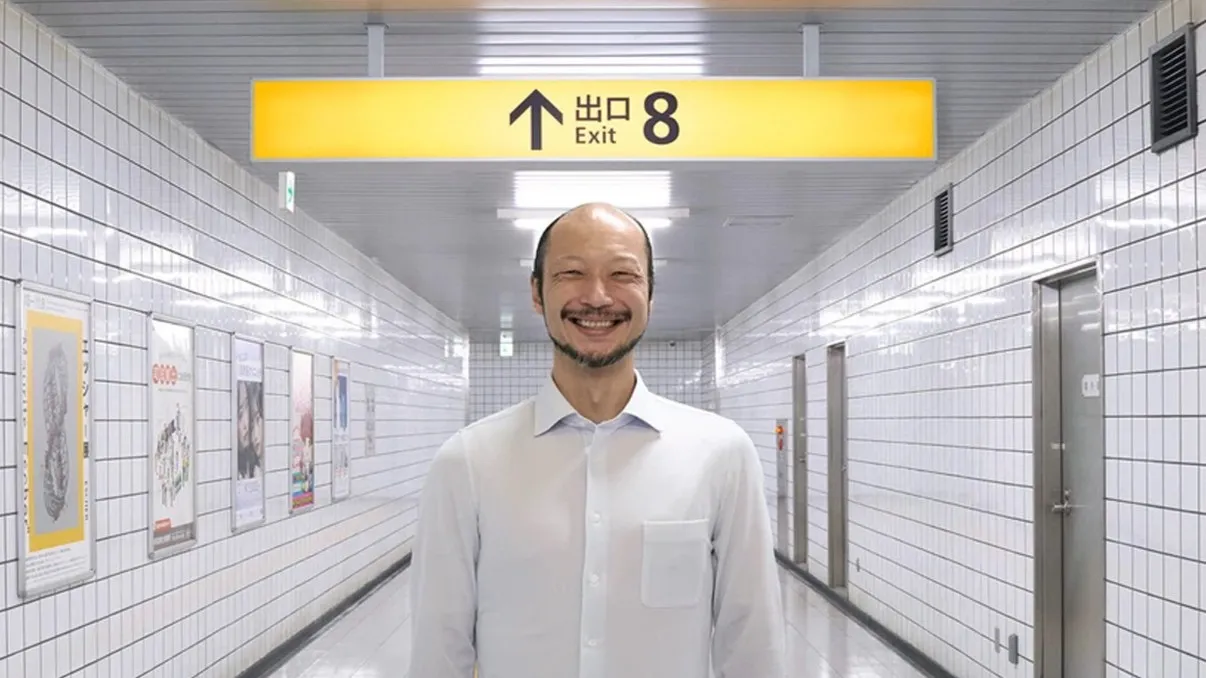
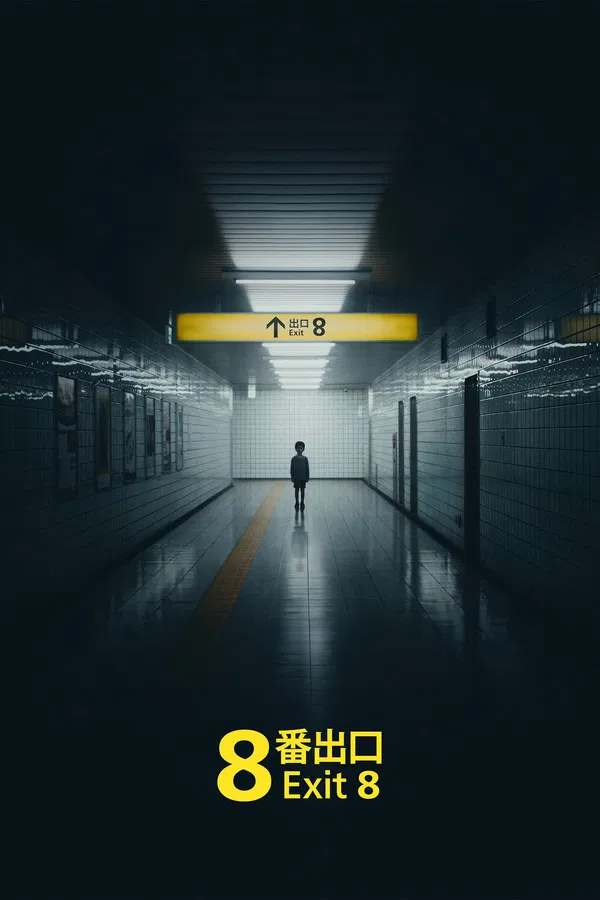
When you think of video games that should be adapted into movies, The Exit 8 probably isn’t at the top of the list. The game is fun, in its way…but it doesn’t scream out for a big screen telling. Essentially, you play as someone who is stuck inside a maze comprised of repeating hallways in a metro station. The main hallway features a series of posters on the left wall, a few doors on the right, and a businessman walking past you. That’s about it. The only way to win the game is to get to exit 8. You start at exit 0…which isn’t an exit at all. If the passageway is normal…you continue walking. If you encounter any anomalies in the hall…you have to turn back to reach next number. Anomalies range from poster alterations to missing doors to…much bigger phenomena.
Exit 8, the film adaptation from Toho and released in the US by NEON, follows the same rules. If you’re wondering how (or why) to turn a walking simulator in one very limited location into a ninety minute movie…you’ll be surprised at how well Exit 8 turned out. It expands on the limited lore of the game in some smart ways and personalizes the experience for the main character…something the game can’t do for the faceless first person camera the player operates with.
The story is divided into three parts. We begin with The Lost Man…which is also what our lead character is credited as. Kazunari Ninomiya plays The Lost Man…who is just trying to get home from his train ride when he is caught in the Exit 8 maze. The man learns that his ex-girlfriend is pregnant with his child…and is afraid he isn’t father material after an incident on the train. That small moment on the train is an important part of Exit 8…and in understanding the psyche of The Lost Man. He quickly discovers the anomalies and how to navigate the passageway correctly. Not that it makes it any easier. There are plenty of anomalies and one wrong turn sets you back to exit 0. Just like in the game.
After following The Lost Man for a while, Exit 8 switches perspective to The Walking Man. Which is what the movie calls the businessman who passes The Lost Man over and over through his hallway loops. Yamato Kochi plays The Walking Man. This is where Exit 8 expands on the limited material from the game. We learn some interesting things while following The Walking Man. These things will be of interest to fans of the game…but work really well within the movie’s narrative as well. This section of the movie is one of the better examples of how to use an expanded format to add to the game being adapted.
A third section, focused on a child that The Lost Man initially believes to be an anomaly, follows The Walking Man. The child appears in The Walking Man as well…serving as some connective tissue for the loops and, inevitably, the emotional throughline of the story. This chapter is titled The Boy and it does a good job tying everything in Exit 8 together.
Like the game, there is some affective horror imagery from time to time…but it’s more about the uneasiness of the situation than out and out scares. In that way…it’s one of the most successful video game adaptations ever made. It nails the look and feel of The Exit 8 while expanding upon it in ways that deepen the experience. The new lore for the walking simulator is a welcome addition. The narrative beats fit nicely within the narrative-less design of the concept as well. The result is one of the most surprising game adaptations ever made. An odd little novelty game that became a genuinely entertaining motion picture.
Scare Value
I played The Exit 8 before I knew there was going to be a movie adaptation. To say I was skeptical about its chances for making a compelling film would be an understatement. I’m happy to report that it works shockingly well in practice. The rare adaptation that adds quality ideas while never losing sight of the concept from the original work.
3.5/5